
What Is Lucid Dreaming, Really?
Lucid dreaming is one of those concepts that sounds mystical at first glance, yet sits comfortably within modern neuroscience. It describes a specific state of consciousness where a person realizes they are dreaming while the dream is still unfolding. This awareness does not require waking up, nor does it break the dream itself. Instead, it creates a bridge between the reflective mind of wakefulness and the immersive world of sleep.
For many people, lucid dreaming first appears as a fleeting moment. You suddenly know that the strange environment around you is not real in the ordinary sense, yet it feels vivid and emotionally engaging. That moment of realization is the defining feature, and everything else flows from it.
A Clear Scientific Definition
From a scientific perspective, lucid dreaming is defined as a dream in which the dreamer is consciously aware that they are dreaming. This awareness occurs during rapid eye movement sleep, the phase most associated with vivid dreaming. Brain imaging studies show that during lucid dreams, areas linked to self-reflection and executive control become more active than in non-lucid dreams.
This is important because ordinary dreams lack reflective awareness. You experience events, emotions, and narratives, but you rarely question their reality. In lucid dreams, the questioning mind comes back online, partially restoring the same metacognitive abilities you use during waking life.
Researchers sometimes describe lucid dreaming as a hybrid state. It combines the sensory richness of dreaming with the self-awareness of waking consciousness. This makes it neither pure sleep nor full wakefulness, but something uniquely in between.

Awareness Versus Control
A common misunderstanding is that lucid dreaming means controlling everything that happens. In reality, control is optional and secondary. The core of lucid dreaming is awareness, not power. You can be lucid without changing a single detail of the dream.
Some lucid dreamers choose to observe rather than intervene. Others experiment by flying, altering environments, or confronting dream characters. Both approaches are valid, and both begin with the same foundation: the recognition that the experience is a dream.
This distinction matters because it reframes lucid dreaming as a mental skill rather than a fantasy escape. It is about perception and understanding first, and influence second.
What Happens in the Brain
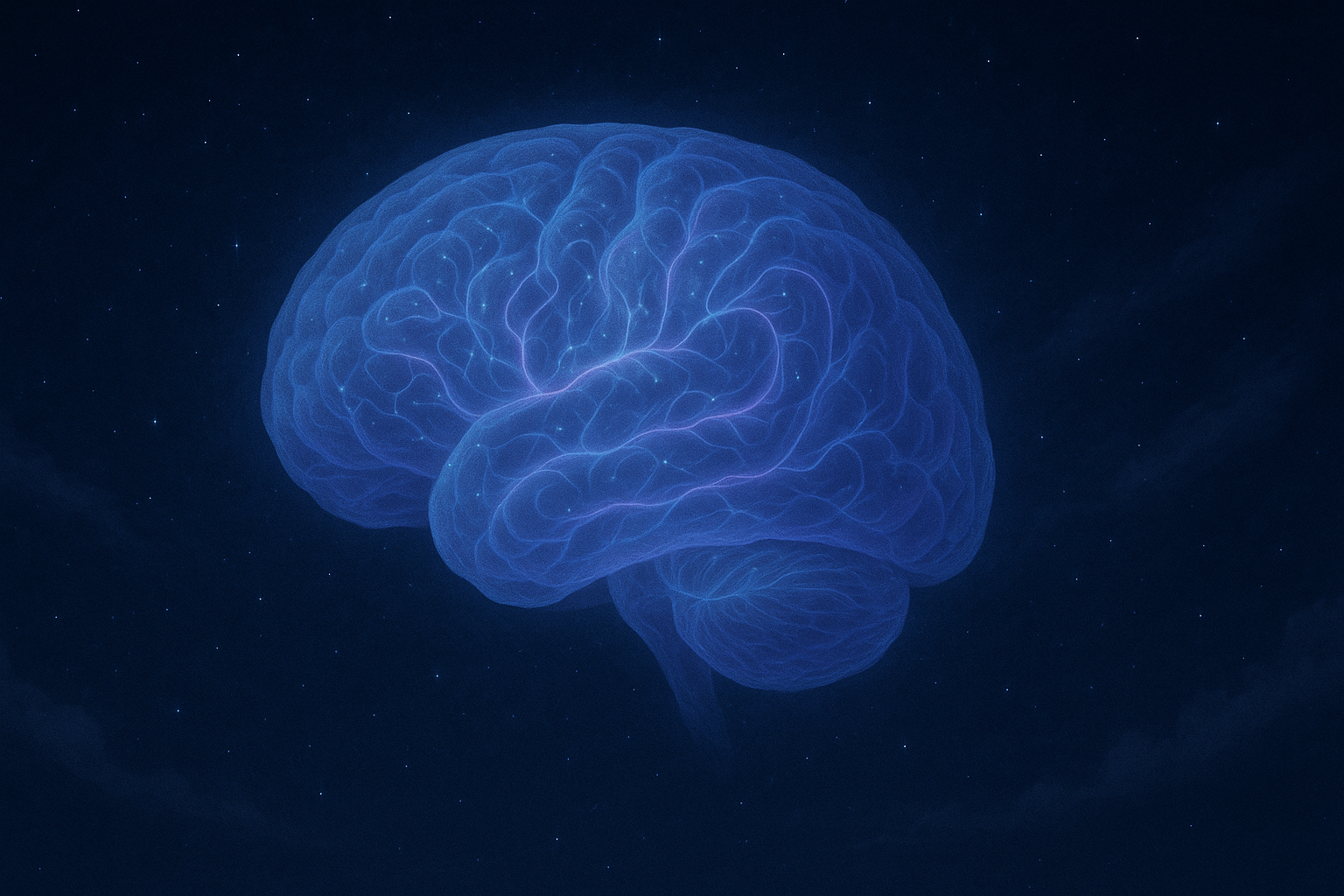
Neuroscience offers valuable insight into why lucid dreaming feels different. During standard REM sleep, the prefrontal cortex is relatively quiet, which explains why dreams often feel illogical and unquestioned. During lucid dreams, parts of this region show increased activation.
This shift allows for self-awareness, decision-making, and memory access. You can remember your waking intentions, reflect on what is happening, and sometimes guide your actions. Yet the brain remains in a dream-generating mode, producing vivid imagery and emotional intensity.
Studies using EEG and fMRI have repeatedly confirmed this pattern. Lucid dreaming is not imagination layered on top of sleep, but a measurable alteration in brain dynamics.
Why Lucid Dreaming Matters
Lucid dreaming is not just an interesting anomaly. It offers a rare window into consciousness itself. When you become aware in a dream, you experience what it feels like for the mind to recognize its own constructed reality.
This has practical implications. Researchers study lucid dreaming to better understand self-awareness, emotional processing, and the boundaries between conscious states. Therapists have explored its potential for working with recurring nightmares, while artists and problem-solvers have used it as a space for creativity and insight.
On a personal level, lucid dreaming invites curiosity. It asks what else might be possible when awareness expands beyond its usual limits.
Learning and Tracking the Experience
Most lucid dreamers do not stumble into the experience by accident repeatedly. Awareness tends to grow with attention, reflection, and consistency. Keeping track of dreams, noticing recurring themes, and questioning reality during the day all increase the likelihood of lucidity at night.
Some people use structured tools to support this process, such as journals or digital companions like Onyra, which helps bridge waking reflection and dreaming awareness without intruding on the experience itself. Used lightly, these tools can support memory and pattern recognition, which are essential for understanding your own dream life.

Lucid Dreaming as Orientation, Not Escape
It is tempting to frame lucid dreaming as an escape from reality. A more accurate perspective is orientation. Lucid dreaming teaches you how awareness behaves when familiar rules dissolve. Gravity, time, and identity become flexible, yet consciousness remains.
This orientation carries subtle effects into waking life. Many lucid dreamers report greater emotional insight, improved self-reflection, and a calmer relationship with uncertainty. These outcomes are not guaranteed, but they point toward why the practice continues to attract scientific interest.
Seen this way, lucid dreaming is less about fantasy fulfillment and more about learning how the mind works when it recognizes itself in unfamiliar territory.
A Grounded Way to Begin
If you are new to lucid dreaming, the most important step is understanding what it truly is. It is not about forcing control or chasing extraordinary experiences. It begins with curiosity and attention.
Paying closer attention to your dreams, reflecting on them during the day, and gently questioning your assumptions at night creates fertile ground for lucidity. Over time, awareness becomes more likely to appear naturally.
Whether you explore with simple habits or supportive tools like Onyra, lucid dreaming remains a deeply personal journey. At its core, it is an invitation to notice consciousness where you least expect it, and to discover that awareness does not disappear when you fall asleep.