
Long Term Balance Between Dreams and Life
The healthiest lucid dream practice is the one that supports your life rather than competing with it. Long term balance comes from protecting sleep, integrating insights, and keeping goals realistic.

Approach lucid dreaming with maturity and responsibility
Avoid obsession and misuse by balancing benefits with caution
5 articles in this theme
The healthiest lucid dream practice is the one that supports your life rather than competing with it. Long term balance comes from protecting sleep, integrating insights, and keeping goals realistic.

Lucid dreaming can support self understanding, but it can also amplify anxiety, dissociation, or obsessive patterns in vulnerable periods. Boundaries protect mental health and make practice sustainable.
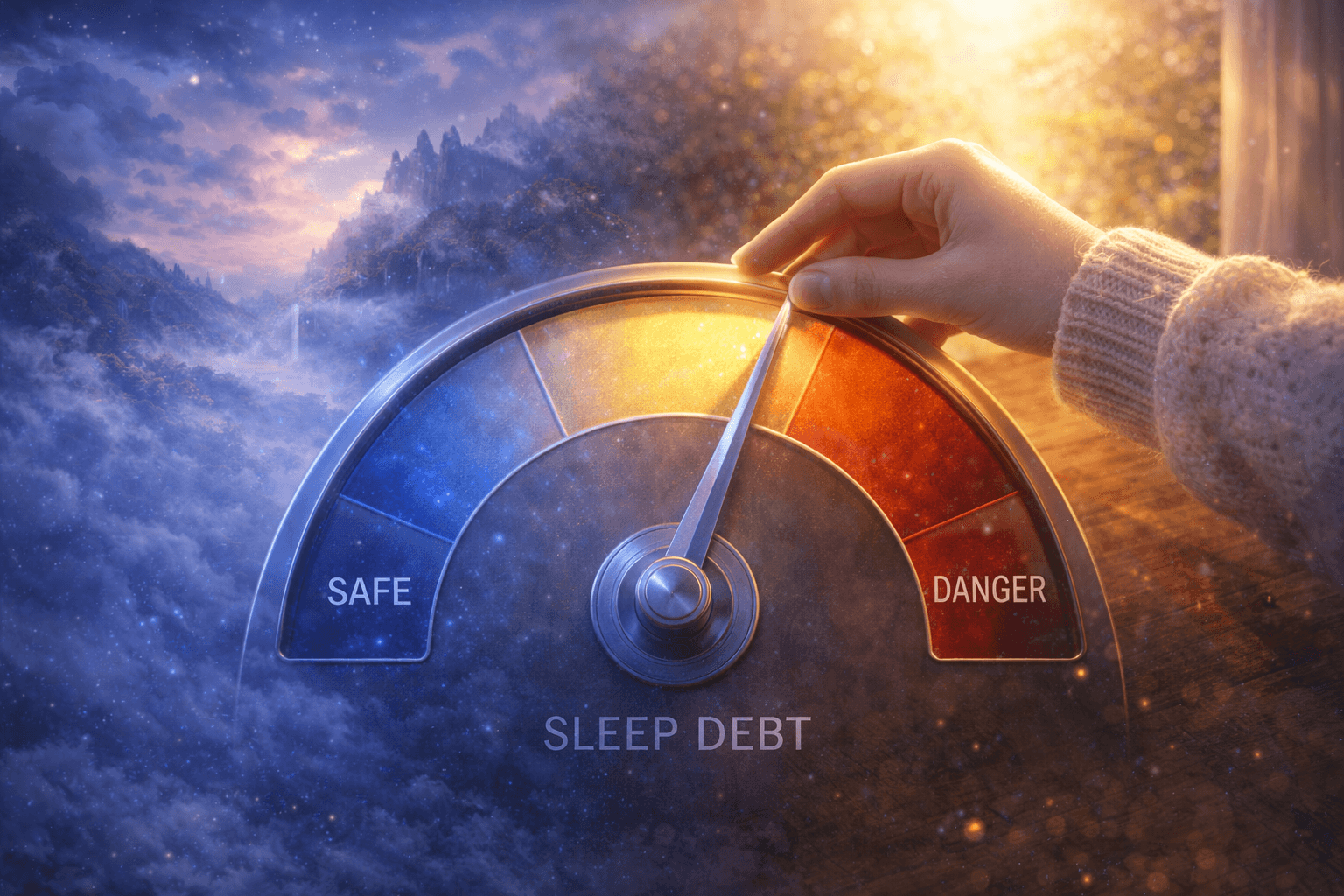
Lucid dreaming techniques can tempt people to trade sleep quality for a result. That trade rarely pays off. Sleep deprivation affects mood, cognition, and physical health, and it can undermine lucid practice long term.

Lucid dreaming can offer beauty and relief, but it can also become a way to avoid waking life. Grounding keeps the practice honest by turning dream insight into real world integration.

Lucid dreaming can become compulsive for some people, but the word addiction is often used loosely. The real question is whether the practice improves your life or starts replacing it.