
Light Exposure and Screen Use
Lucid dreaming depends on sleep, and sleep depends on timing. One of the strongest timing signals your brain receives is light. Bright light in the morning helps anchor rhythm. Bright light late at night can delay sleep and fragment rest.
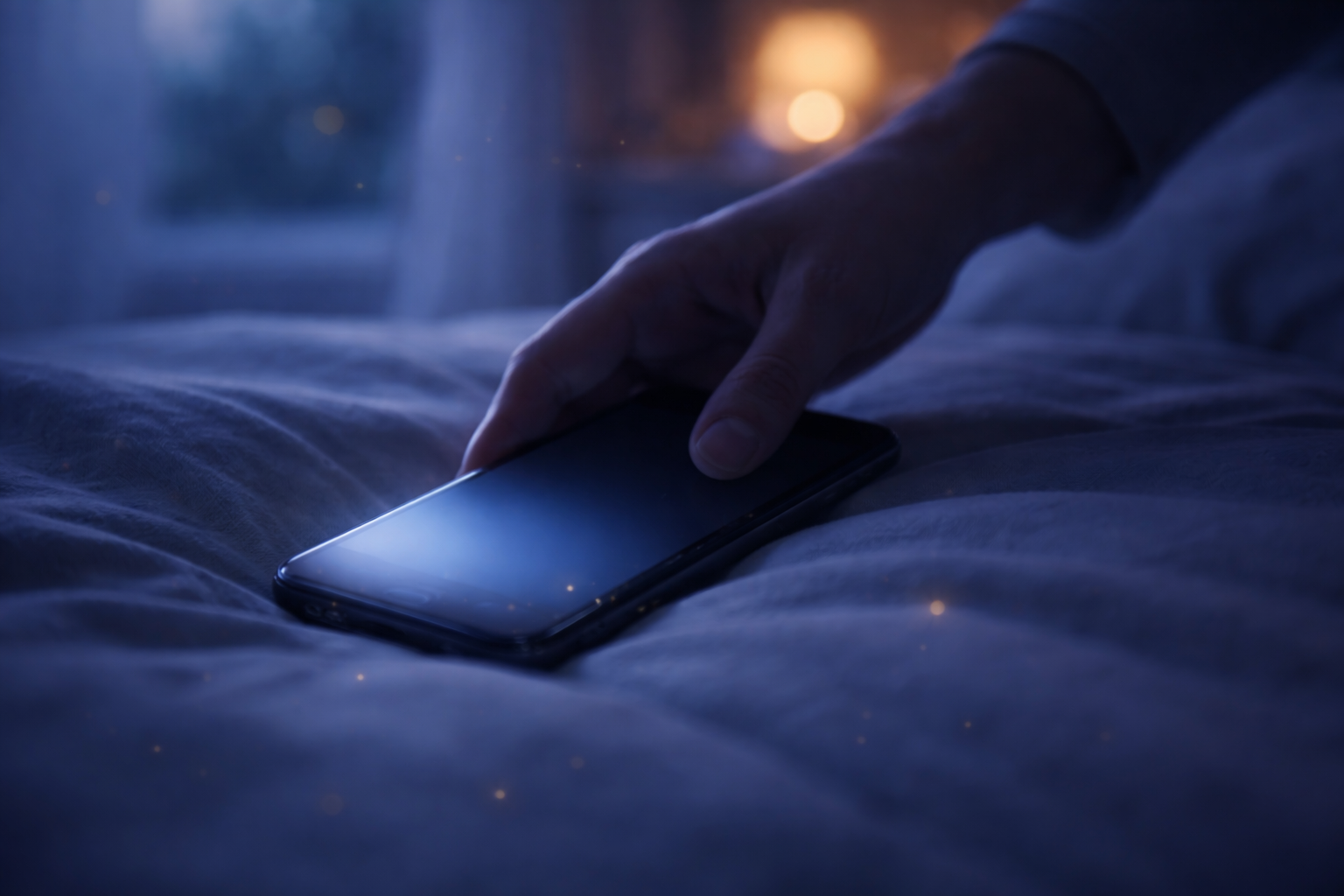
Screens matter because they combine light with stimulation. The content keeps the mind active, and the light tells the brain it is still daytime.
If you want clearer dreams and better recall, light habits are a practical lever.
The Circadian Rhythm Connection
Your body clock uses light to decide when to feel alert and when to feel sleepy. When rhythm is stable, sleep architecture becomes smoother. When rhythm is unstable, awakenings increase and dream recall can suffer.
Lucidity tends to appear more often when sleep is consistent and REM periods are not disrupted by late stimulation.

Practical Screen Habits That Help
You do not need perfection. You need reduction.
Choose a screen cutoff window. Dim brightness. Avoid intense content near bedtime. If you must use screens, keep them warm and low.
Also consider what screens do to attention. Scrolling can create mental noise that follows you into sleep. A calmer mind often produces clearer dreams.
Evening Light Matters More Than You Think
Late evening light can delay melatonin and increase sleep onset time. Even if you fall asleep, the sleep can become lighter. Lighter sleep can increase awakenings, which sometimes increases recall, but it can also reduce deep rest and increase fatigue.
The goal is balance. Better sleep quality tends to support long term lucid practice.
Morning Light as a Reset
Morning light anchors the body clock. Even a short exposure outside can improve rhythm. Better rhythm often means more predictable dreaming later in the night.
If you want to make one change, make it this. Get light early in the day, then reduce light late at night. The body learns the pattern.
How Onyra Fits Into Habit Building
If you are changing light habits, track sleep quality and dream clarity in a simple way. Onyra can help you notice whether the change actually improves recall and lucidity, without turning this into a stressful optimization project.

A Grounded Conclusion
Light exposure is a powerful lever because it shapes the timing of sleep. Screens matter because they add both light and stimulation.
Small changes, repeated consistently, can make dreams clearer and nights calmer. That is the environment where lucidity is more likely to appear.